

5 Tips For Car Keys Repairs
Modern car keys can be complicated, and require professional repair services when they become damaged. This article will provide 5 tips to ensure that your car key is in good condition.
Most of the time, issues with key fobs and remote controls can be resolved by replacing the battery. In certain cases there is a need to reprogramme. Consult your owner’s manual or an expert for more specific instructions.
Battery Replacement
Many modern cars come with remote key fobs. These include keyless entry and remote start features. They also have a traditional steel key. These keys are powered by small batteries that eventually run out and need to be replaced. The procedure is easy and can be completed by any auto accessory store that stocks the correct type of battery for the vehicle you own.
Refer to the owner's manual of your vehicle to determine what kind of battery is in use. Once you know what type of battery is on your key fob, head to an automotive parts store near you and purchase an alternative. You can often find the same battery for sale or even for free if you take advantage of a special offer.
If you take care to avoid pushing something, you can tear off two seams with a flat-head screw or your fingernail. Find the battery compartment. It'll be slotted in, or have a plus/minus symbol embossed. Carefully insert the new battery and ensure it is oriented correctly based on the way the old one was.
Replace the circuit board once the battery is installed. The two halves back together. Once it is reassembled, test the buttons to make sure everything is working as intended. The key fob's identification is not affected by the change in the battery, which means it shouldn't be required to be replaced following the repair. This is great news for those who want to save money by avoiding costly trips to a locksmith or dealership.
Ignition Cylinder Replacement
Modern key ignition systems for cars require an exact sequence of actions before the engine can begin. A damaged key cylinder could prevent your car from starting. Although it is possible to replace the key cylinder, it's not a simple procedure. The ignition is a delicate device designed to work with a particular key, and the process requires special tools, careful oiling, and a thorough understanding of how it's supposed to perform.
Determine if you can switch the ignition to the accessory position. Also, see if the key will fit properly. This will allow you to identify the issue and provide an answer. If you cannot rotate the cylinder in any direction, check the owner's manual or call an locksmith for assistance with the ignition.
If the cylinder is able to rotate in the accessory position, you can use a screwdriver to depress the small anti-rotation switch at the base of the cylinder. Then, rotate the cylinder until its retaining tabs and slots are aligned and slide it out. If the cylinder is stuck or won't turn, you can gently tap it or drill it. However, do it with caution when drilling or rapping the cylinder can damage the steering column.
After the old cylinder has been taken out and replaced, the new ignition cylinder will be installed in its place. You'll then need to code the cylinder to ensure that it is compatible with the key in terms of sequence and orientation. It is also necessary to take off and inspect the tumblers. If any of the tumblers are worn out, you'll need to replace them.
After replacing the cylinder you'll need to connect the dashboard and steering wheel covers in the correct order. Be nearby key repair shop to carefully reattach the covers without affecting the wiring, as it's easy to accidentally detach and disrupt important electronics. It's also essential to reconnect the negative battery cable, and to test your new ignition.
Key Programming
Modern car keys come with an electronic chip that communicates with the vehicle. The chip and the vehicle must "know each other" before the key can be used to start the engine.
A locksmith with experience in various types of vehicles can reprogram a key quickly. They can also assist if the lock on your car key has been damaged.
Most car locksmiths will tell you that the process can be as quick as one minute if all steps are followed correctly. It can be a bit longer for OBD2 programming or EEPROM programming, as these procedures require your locksmith to extract specific modules out of the car (security components) to determine the correct passcode as well as stored key data. This type of procedure is best left to professionals with a thorough knowledge of circuit boards and electronic components, thus reducing the chance of data corruption.
People frequently forget their car keys when they get home, or leave keys in the trunk of their car after putting groceries in the back seat. In these scenarios, you can often end up on the side of the road with any way to get home or to your destination. Your locksmith can program a spare key to your vehicle to allow you to drive again.
The lock could be damaged or the key may be inoperable due to wear and wear and tear. If the teeth of your car key no longer fit in the lock, it is recommended to think about replacing your key.
Many people try to program their car keys themselves, but it is always advised to hire an expert do the work for you instead. These DIY methods can cause a corruption of the information on your car keys and cause it to malfunction, or even worse damage to your security system. A professional will have a lower risk of making mistakes that cost you thousands in the future.
Broken Key Removal
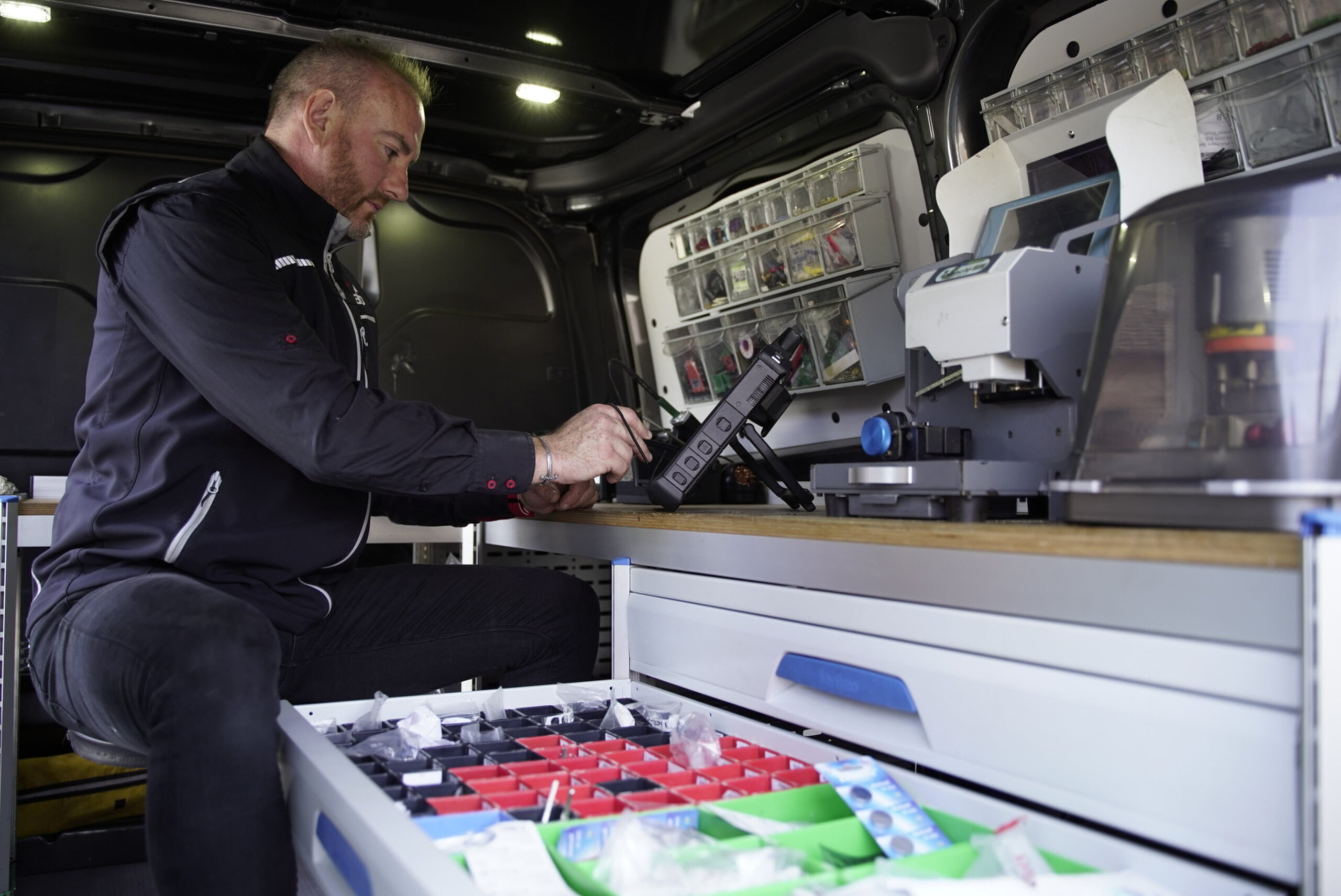
You will need to remove your broken key from the ignition cylinder in case it breaks. It will be impossible to drive your vehicle until the key is removed and it is recommended to contact an expert for this job, as there is a chance of damaging the ignition through the wrong use of lubricants and extraction tools. If you're looking to repair your broken car keys at home There are several methods that could help.
A pair of needle-nosed pliers with longer tips can be used to grasp the key end that is stuck in the ignition. You can also supercharge your pliers by coating their business ends with a sticky substance like super glue, melted wax, or putty. The pliers will then be able to grasp the piece of key and pull it out of the cylinder.
A set of fine, stiff wire can be a great tool for sliding over an old car key, and removing it from the lock. You can use a paperclip to accomplish this purpose, but make sure to bend the ends to increase the surface area that can be used to hold the key fragment.
Mini hacksaw blades can be used to repair broken keys. They should be thin and small to fit inside the small openings of ignition cylinders. These tools are available in hardware stores as well as the auto parts section at some large retailers.
Spraying some lubricant in the keyhole could be helpful. It can loosen the piece that is stuck and make it easier to take it out. It is not a good idea to try to force out a damaged key, since it could cause further damage to the ignition or key. It is dangerous and difficult to fix a car key that is bent or split in half. Keep an extra key in a safe place always.